Water is the one thing you cannot improvise in the desert. You can forget a spoon, patch a sleeping mat, or make do with cold food. Running short on water changes the whole trip. Most desert travellers end up carrying a mix of three containers: the jerrycan, the bladder and the bottle. Each has a distinct personality, and the best choice depends on whether you are loading a 4x4, packing a rucksack, or simply walking to a viewpoint. Here is how they compare on capacity, durability, packing, hygiene and ease of use.
Capacity: What Each Container Really Holds
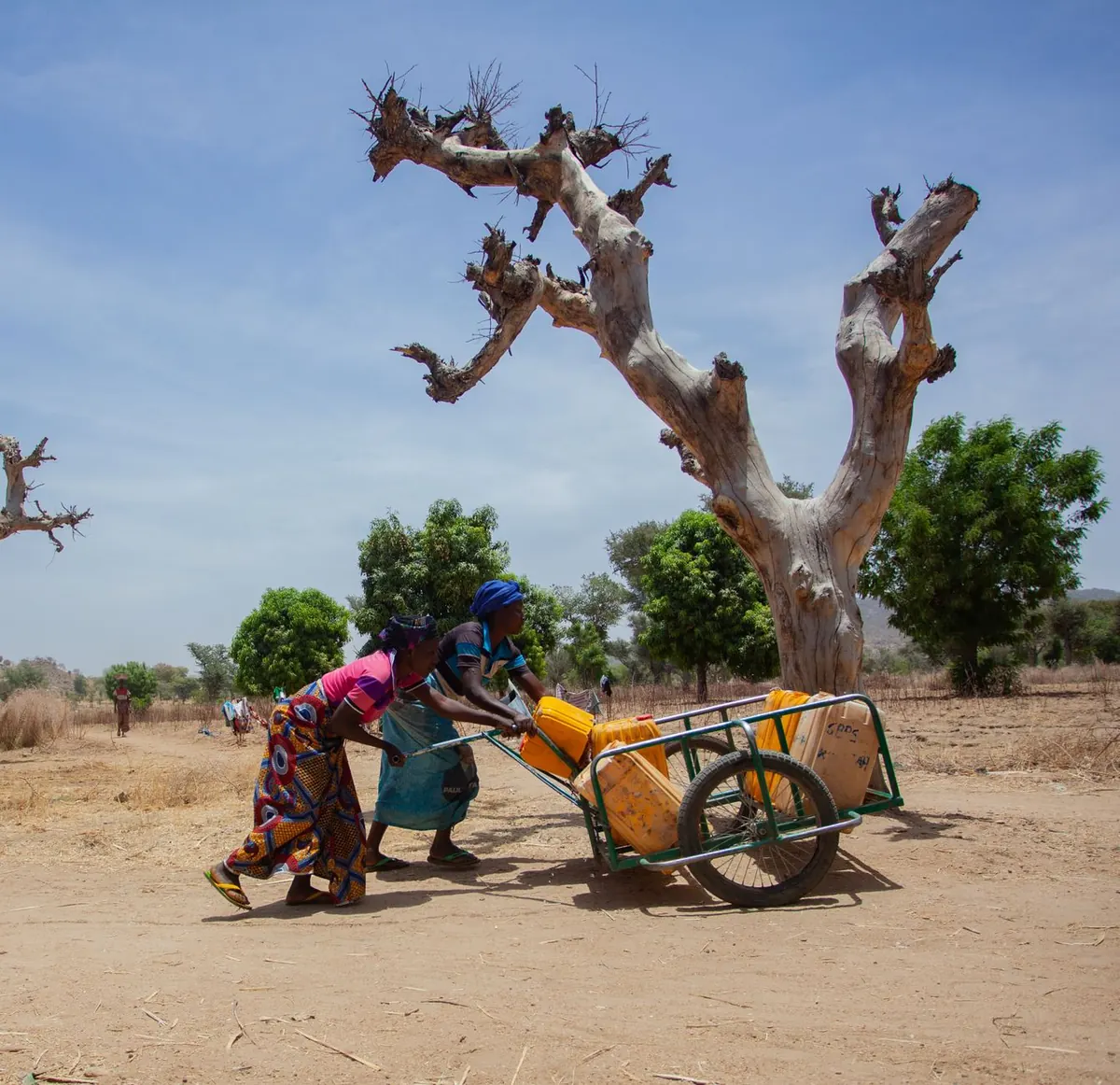
Jerrycans are the bulk carriers. A typical 10–20 litre can is designed for vehicle-based trips, base camps and long dry sections. A full 20-litre jerrycan weighs about 20 kg, which is fine when it sits in the boot but awkward when you need to lift it onto a roof rack or pour from it without a tap. Look for a wide filler opening, a sturdy handle, and a cap that seals properly. A jerrycan with a built-in spigot turns any table or tailgate into a simple water station.
Bladders are the sipping specialists. Most hold 1.5–3 litres and sit inside a rucksack, with a hose routed over your shoulder. They distribute weight close to your back, encourage steady drinking, and free your hands. The trade-off is capacity: a single bladder rarely covers a full day in serious heat, so most people pair it with a bottle or a collapsible spare.
Bottles are the everyday workhorses. A 0.5–1.5 litre bottle is easy to fill, easy to clean, and easy to hand around. Insulated versions keep water cooler for longer, which matters when the temperature climbs. They are not efficient for bulk storage, but they are unbeatable for immediate access and for mixing electrolyte powders.
- Jerrycan: 10–20 litres per container; best for vehicles and base camps.
- Bladder: 1.5–3 litres; best for hiking and drinking on the move.
- Bottle: 0.5–1.5 litres; best for quick access and additives.
Durability: Heat, UV and Rough Ground
Desert conditions are hard on plastic and rubber. Jerrycans are usually made from thick high-density polyethylene, so they survive being dragged over rock and thrown into a truck bed. The weak points are the lid, the gasket and the handle. Sand trapped in the threads will cause a slow drip, and a cap left loose in the sun can warp. Store jerrycans out of direct sunlight when you can, and check the seal before every trip.
Bladders are lighter and more vulnerable. A thorn, a sharp rock or a careless zip can puncture the reservoir. Use a protective sleeve or keep the bladder inside your pack rather than strapped to the outside. The bite valve and hose are also prone to grit and kinks. Carry a spare bite valve if you rely on a bladder for long walks.
Bottles are the most forgiving. Stainless steel bottles dent but keep working; tough plastic bottles scratch and discolour but rarely fail. Insulated bottles add weight but protect water from the worst of the heat. The lid is usually the first part to break, so a spare lid or a silicone sleeve is cheap insurance.
Packing and Weight Distribution
Water is heavy: one litre weighs one kilogram. That makes packing a question of balance as much as volume. In a vehicle, keep jerrycans low and centred over the rear axle. Strap them so they cannot slide, and pad them away from metal edges that can rub through the plastic. A full jerrycan on a roof rack raises the centre of gravity and makes the vehicle harder to handle on soft sand.
Bladders win on weight distribution. Because they mould to the shape of your pack, they sit close to your spine and reduce sway. Route the hose so it does not kink at the shoulder strap or catch on scrub. Bottles are best kept in side pockets or a hip belt, where you can reach them without stopping.
- Place heavy water low and over the axle in a 4x4.
- Pad jerrycans against sharp edges and check straps regularly.
- Keep bladder hoses clear of branches, zips and rucksack buckles.
- Carry one bottle within reach; store the rest as reserve.
Hygiene: Keeping Water Clean and Tasting Good
All water containers should be dedicated to water. Once you use a bottle for juice or a bladder for a sports drink, the taste lingers and mould finds the corners. Bottles are the easiest to clean because you can reach inside with a brush. Wide-mouth bottles are even better, allowing a bottle brush to reach all the way to the bottom. Bladders are the hardest to clean and dry: the hose and bite valve are narrow, and moisture left inside can turn into black mould. Use a cleaning kit with a long brush and a drying rack, or at least rinse with a weak bleach solution and hang the bladder open to dry. Jerrycans fall in the middle: a wide opening helps, but the internal baffles and corners can trap water. Rinse them with a bleach solution at the start and end of each season, and let them dry completely before sealing.
Tip: Dedicate one bottle to electrolytes and keep the rest pure water. This reduces cleaning headaches and keeps your main supply tasting neutral.
Ease of Use: Pouring, Drinking and Refilling
Jerrycans are not designed for pouring. Without a tap or spigot, you will spill water—a serious waste in the desert. A simple screw-on spigot or a siphon pump transforms a jerrycan into a reliable station. Some models include a vent cap that improves flow and prevents glugging. Filling a bottle from a jerrycan is usually a two-person job unless you have a tap, so plan your water station before you get thirsty.
Bladders excel at drinking on the move. You can sip continuously without stopping, which helps maintain hydration. However, refilling a bladder often means taking it out of your pack, which is awkward if you are also wearing a hip belt. Wide-mouth openings make refilling easier, but you still need to hold the bladder open while pouring. A collapsible funnel helps.
Bottles are the simplest for refilling, drinking, and sharing. You can fill a bottle from almost any source, and you can drink from it while walking if you keep it in a side pocket. The downside is that you have to stop or slow down to take a proper drink, unless you use a quick-draw holder or a straw lid.
Cost and Long-Term Value
Jerrycans are a moderate investment. A cheap 20-litre can might cost a few dollars, but it may leak or split within a season. A quality jerrycan with a good gasket and a thick wall can last a decade. Replacement caps and gaskets are inexpensive, so a small repair kit keeps it going.
Bladders have a higher upfront cost, especially if you buy a name-brand reservoir with a good bite valve and an insulated hose. They also have the shortest lifespan. The hose, bite valve, and weld seams are the first to fail, often after two or three years of regular use. Punctures can be patched with a repair kit, but a leaking seam is usually terminal.
Bottles are the cheapest to start with, but insulated stainless steel models can cost as much as a bladder. Plastic bottles degrade with UV exposure and repeated washing, so they may need replacing every few years. Stainless steel bottles last indefinitely if you don't lose them, and they don't retain flavours.
Choosing the Right Mix for Your Trip
No single container does everything well. The best desert travellers carry a combination. For a day hike in moderate heat, carry a 2–3 litre bladder plus a 1 litre bottle for electrolytes. For a 4x4 overland trip, bring two 20-litre jerrycans—one for drinking water and one for washing and cooking—plus a 1-litre bottle in the cab and a bladder for hikes from camp. For a base camp with occasional walks, a 10-litre jerrycan with a spigot, a 1.5-litre bladder, and two 1-litre bottles cover all needs.
Redundancy is not paranoia in the desert; it is common sense. Carry a repair kit with duct tape, a patch kit, a spare bite valve, and an extra cap. Never rely on a single container. If one fails, you still have water. And always remember: the best water storage solution is the one you actually drink from. If a container is awkward, you will drink less. Choose the mix that makes hydration easy.
Photo: Zedou Njankouo / Pexels