The difference between floating over a dune and digging yourself into one often comes down to a single number on your tyre gauge. In the desert, tyre pressure is not just a comfort setting; it is your main traction tool. Let some air out and the tyre moulds to the sand, spreading weight and finding grip. Get it wrong, though, and you risk debeading a tyre, damaging a rim, or spending the afternoon shovelling. Here is how to use pressure properly, from the first soft patch to the tarmac at the end of the day.
Why lower tyre pressure works in sand
Sand behaves more like a fluid than a road. A hard tyre at road pressure concentrates the vehicle's weight on a narrow strip, so it sinks and pushes sand ahead of it like a bulldozer. Lower the pressure and the sidewall flexes, the tread flattens, and the contact patch grows. That spreads the load, improves flotation, and lets the tyre ride on top rather than cut through.
There are secondary benefits. A softer tyre absorbs corrugations and small rocks, so the vehicle and passengers suffer less. It can also improve grip on hard-packed sand and gravel because the tread conforms to the surface. But pressure is only one part of the puzzle. Momentum, gear choice, throttle control and reading the terrain still matter. Aired-down tyres will not rescue you from a bad line or too much speed.
When to air down and when to leave pressures alone
Air down before you need it. The best time is at the edge of the soft stuff, while you are still on firm ground and can stop safely. If you wait until the vehicle is bogged, you have already lost momentum and dug holes. Look for the usual signs: pale, loose sand, wheel ruts, a soft shoulder, or a dune climb ahead.
Good times to reduce pressure
- Soft sand tracks and dune bases where flotation matters.
- Long stretches of washboard corrugations, where a softer tyre rides better and keeps more rubber on the ground.
- Mixed desert routes where you will spend most of the day on sand, with only short rocky sections.
- Climbing dunes, where you need a wide footprint and gentle throttle.
When to keep road pressures or raise them
Rocky ground, sharp gravel and long hard-packed tracks are not the place for very low pressures. A soft tyre is more vulnerable to sidewall cuts and rim damage, and it can feel vague on hard corners. If your route mixes rock and sand, either accept a compromise pressure or stop and adjust at the transition. Never run desert pressures on tarmac for long: heat builds quickly, wear increases, and handling suffers.
How low should you go?
There is no single magic number. The right pressure depends on vehicle weight, tyre size, load rating, sidewall stiffness, rim width and the sand itself. A light, empty 4x4 on large all-terrains will happily run lower than a laden expedition vehicle on stiff, heavy-duty tyres. Ambient temperature also matters: pressures rise as tyres warm, and hot sand can be brutal.
As a rough starting point for soft sand, many drivers in a mid-size 4x4 begin around 20–25 psi (1.4–1.7 bar). If the sand is very soft or you are struggling, they may drop to 15–18 psi (1.0–1.2 bar). Lightweight buggies and specialised sand tyres can go lower; heavy vehicles often stay higher. Treat those figures as a starting range, not a rule. Check your tyre sidewall and ask a specialist if you are unsure.
Find your baseline with small steps
Start at a pressure you know is safe, then drop in 2 psi increments and test. Drive a short stretch, feel how the vehicle floats, and check whether the tyre is bagging at the bottom. If it looks visibly squatting and the rim is close to the sand, you have gone too far. If the vehicle is still digging, try a little less, but never below the point where the tyre can debead under side load.
Risks of going too low
Very low pressure can roll a tyre off the rim, especially during sharp turns, side slopes or hard braking. It also exposes the sidewall and rim to damage. On hard surfaces, low pressure generates heat and can destroy a tyre quickly. The aim is the lowest pressure that gives you reliable flotation without risking the tyre or rim.
Reinflating safely after the desert
Plan your reinflation before you hit tarmac. Carry a reliable pressure gauge and a compressor that can handle your tyre size and the pressure you need. Cheap 12V units may struggle with large tyres, so test yours before a trip. A deflator and a good gauge make the whole process quicker and more accurate.
When you stop to reinflate, choose level ground away from traffic. Let the tyres cool if you can, because hot tyres give a higher reading. Inflate in stages and check with the gauge rather than trusting a built-in gauge alone. Set road pressures to the vehicle manufacturer's recommendation, usually found on the door jamb or fuel filler flap. If you must set pressures while the tyres are hot, expect them to read high; check again when cold and adjust.
If you are only a short distance from a service station, drive slowly and avoid hard cornering. But do not blast down a motorway on 18 psi. Refit valve caps, check for leaks, and clear sand from the valve area before you inflate. A small amount of grit in a valve core can cause a slow puncture that appears hours later.
Your desert pressure routine
Make pressure part of your pre-drive check, not an afterthought. A simple routine keeps you out of trouble and makes the day smoother.
- Before the sand, stop in a safe place and check all four tyres with a gauge.
- Decide your target pressure based on load, terrain and tyre type. Write it down if you are learning.
- Deflate in small steps. Check the sidewall shape and the rim height.
- Drive a test section. If you are digging, adjust; if the tyres look dangerously squat, add air.
- Before returning to hard road, reinflate to the manufacturer's road pressure. Recheck when cold.
- Note what worked. Next time, you will start closer to the right number.
Desert driving rewards preparation more than bravery. Get your tyre pressures right and the sand becomes a surface to travel across rather than a trap to escape. Get them wrong and you will spend your energy digging. Learn your vehicle, carry the right tools, and adjust before the terrain forces you to.
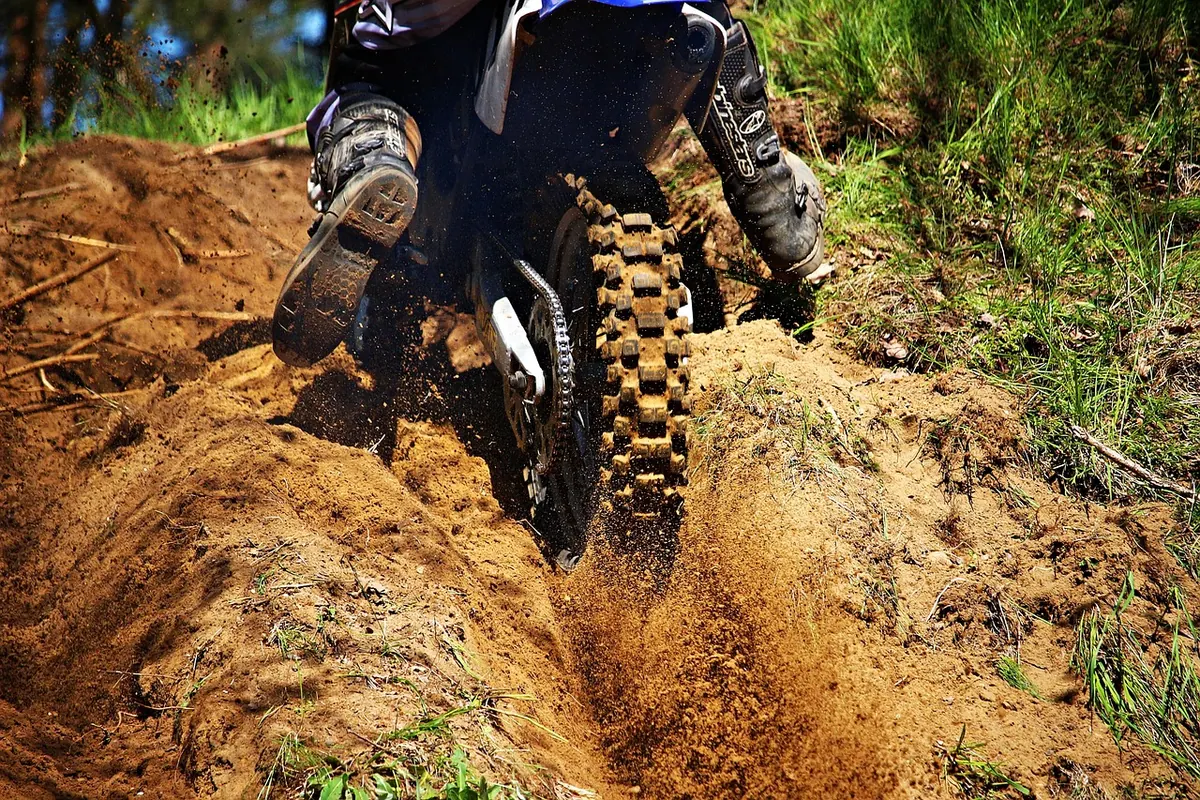
Photo: rihaij / Pixabay