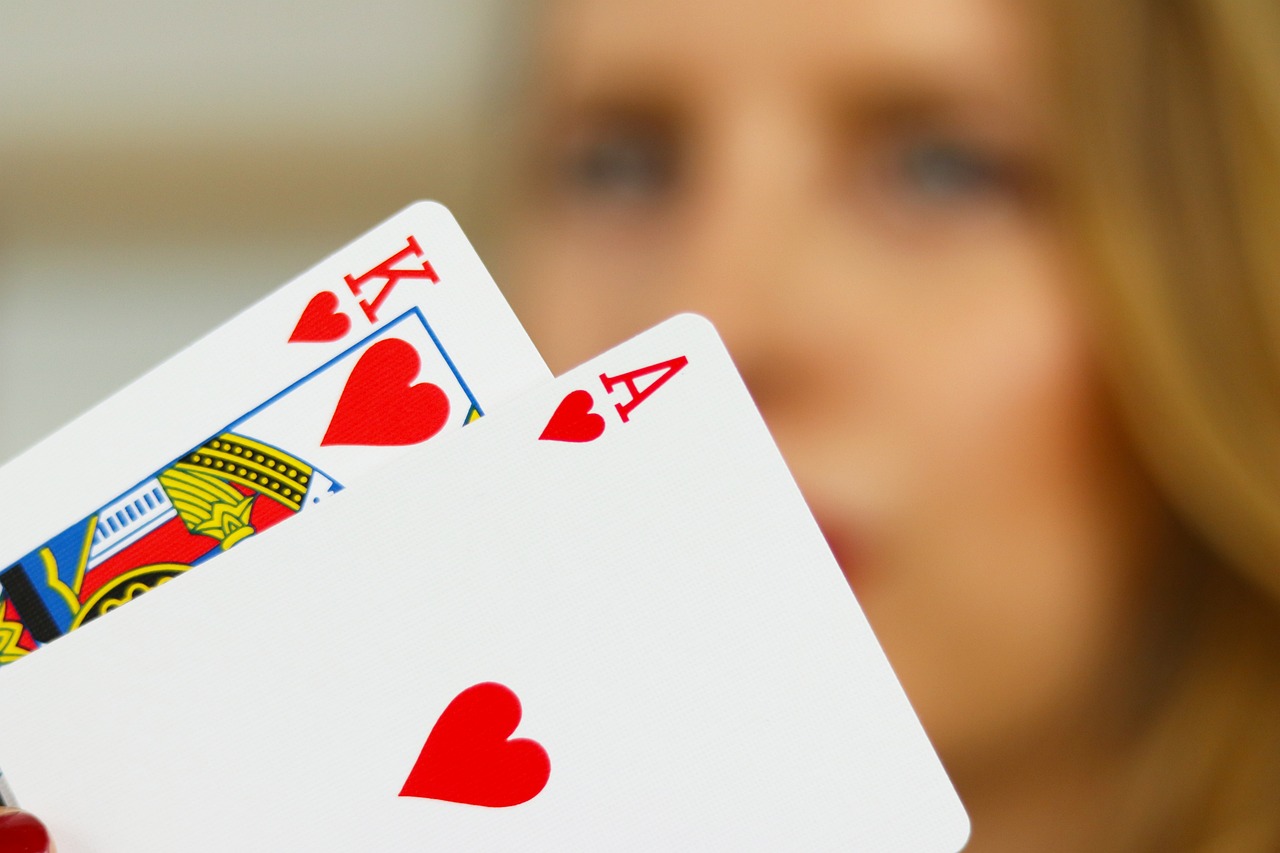
You know that rush when a slot machine cascades a win you didn't see coming? Or when your read on a poker opponent is so dead-on that you call their bluff with bottom pair? That's the iGaming thrill—a mix of luck, skill, and pure adrenaline. But here's the thing: most players never move past the surface. They chase losses, ignore bankrolls, and treat every game the same. If you want to actually enjoy the ride (and maybe come out ahead), you need to think like a strategist. This isn't about hacks or secret systems; it's about understanding the machinery behind the games and making smarter decisions.
Slots: More Than Just Spin and Pray
Let's get one thing straight: slots are random. That's not a bug—it's the feature. But randomness doesn't mean all slots are created equal. The key metric is RTP (Return to Player), the percentage of all wagered money a slot pays back over time. A 96% RTP slot returns $96 for every $100 bet, on average. That doesn't guarantee you'll get $96 back from a $100 session—variance plays a huge role—but over thousands of spins, the math holds.
So why do some slots feel hotter than others? Volatility. High-volatility slots like Book of Dead pay less often but can hit massive. Low-volatility games like Starburst pay small amounts frequently. Your choice depends on your bankroll and patience. If you're on a tight budget, low volatility keeps you in the game longer. If you're chasing a jackpot, go high—but accept the dry spells.
- Always check the RTP before you spin. Anything above 96% is decent; above 97% is rare and worth seeking.
- Use free play mode to test a slot's feel without risking real money. Most casinos offer demo versions.
- Set a loss limit per session and stick to it. The slot doesn't know or care that you're "due" for a win.
Sports Betting: Where Information Beats Impulse
Sports betting isn't just picking a team because you like their jersey. The edge comes from information asymmetry—knowing something the market doesn't. That could be an injury update, a weather forecast, or a deep dive into advanced stats like expected goals (xG) in soccer or pace-adjusted efficiency in basketball.
Consider this: bookmakers set odds to balance action, not to predict the exact outcome. That means public teams (like the Dallas Cowboys or Manchester United) often have inflated lines because casual bettors pile on them. Sharp bettors look for value on the other side. For example, if a mid-table team is getting +250 to win away against a distracted giant, that might be a sneaky good bet if the underlying numbers support it.
Three habits of winning bettors
- Line shop relentlessly. A half-point difference in spread or a 0.1 change in decimal odds can flip a bet from -EV to +EV over hundreds of wagers.
- Track every bet. Use a spreadsheet. Note the sport, pick, odds, stake, and reasoning. You'll spot patterns—like losing money on parlays or biased picks.
- Specialize. Don't bet on everything. Pick one league or market (e.g., NBA player props or English Premier League corners) and become an expert.
Poker: The Long Game of Skill and Psychology
Poker is the only iGaming vertical where you can consistently win if you're better than your opponents. But "better" doesn't mean knowing the rules—it means understanding ranges, position, pot odds, and emotional regulation. In Texas Hold'em, for instance, playing too many hands is the most common leak. A tight-aggressive approach—folding weak hands early, betting strong hands aggressively—wins more than fancy bluffs at low stakes. There is a useful overview at slot depo 5k.
Position is king. Acting last gives you information: you see what everyone else does before you decide. That's why good players raise from the button (the dealer position) with a wider range of hands. They know they can steal blinds or isolate weaker players. Meanwhile, amateurs call too much from the big blind and bleed chips.
- Bankroll management: Never buy into a cash game for more than 5% of your total poker bankroll. For tournaments, keep it under 2% per buy-in.
- Study, don't just play: Use solvers (like GTO+) or training sites (like PokerCoaching) to review hands. Even 30 minutes a week improves your win rate.
- Watch for tells—both live and online: Online, betting timing and bet sizing patterns reveal weakness. Live, physical tells matter, but they're overrated compared to bet sizing.
The Common Thread: Bankroll and Discipline
Whether you're spinning slots, betting on football, or grinding poker, the number one reason players fail is poor bankroll management. You can't win if you're scared money. Set a dedicated iGaming budget separate from rent, groceries, and savings. Then divide that budget into session units. For slots, maybe 100 spins at $1 each. For sports betting, 1-2% of your bankroll per bet. For poker, 20-30 buy-ins for cash games.
Discipline also means knowing when to stop. Tilt—the emotional spiral after a bad beat—causes more losses than any bad call. If you feel angry or frustrated, walk away. The games will still be there tomorrow.
Final Thoughts: Play Smarter, Not Harder
iGaming isn't about finding a secret cheat code. It's about embracing the math, respecting the variance, and treating it like a skill-based hobby rather than a get-rich-quick scheme. The slots will still flash their lights, the underdog will still cover the spread, and the river card will still sometimes crush your aces. But when you approach each game with a plan—RTP checks, line shopping, position awareness—you shift the odds slightly in your favor. And over time, slight edges become real profits. So next time you log in, don't just play. Play with an edge.